
Magazine Artificial Intelligence
Artificial intelligence turns cultural events and supply chains into products
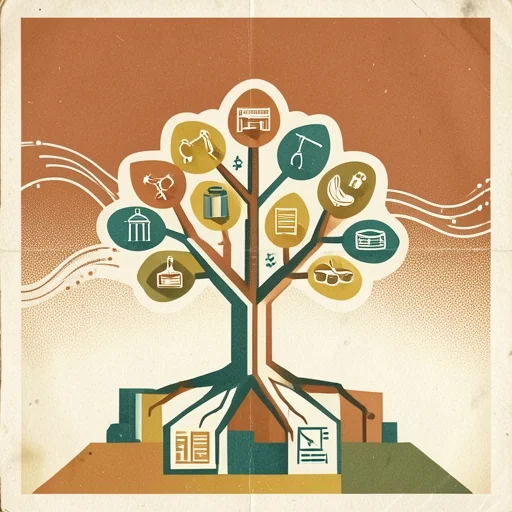
The transformation of traditional sectors often passes through the intersection of culture, data and digital platforms. In recent years the public narrative has seen cultural events, sports, agrifood and health converge on similar practices: live experiences that generate data useful for products and services. Five concrete cases show how artificial intelligence works today as a practical lever. These cases concern high watchmaking fairs, international cycling races and the Honghu lotus root supply chain. Other cases involve Thai telemedicine and an aerospace exploration center that aims to attract scientific tourism.
When artificial intelligence translates data into commercial experience
The Vitals model combines non-invasive tests with an analysis level based on artificial intelligence to transform hundreds of biomarkers into practical recommendations. The procedure starts from a hair test that checks more than 700 biomarkers and from blood programs that measure up to 82 indicators, and concludes with reports in plain language and personalized protocols. The platform inserts the doctor into the digital journey to reduce patient uncertainty. This flow turns cold data into a product: the company then sells its own supplements and more than 100 brands, making health a recurring sales channel. Artificial intelligence here does not perform statistical miracles; it makes analyses understandable and actionable and facilitates the repetition of the test-consultation-product cycle.
The same logic of data becoming product is found in physical and cultural experiences. At Siam Paragon Bangkok Watch Week, more than 45 brands brought over 200 novelties. The novelties present themselves as objects and stories, not only as technical specifications. A global launch becomes experiential content that generates demand and community.
A physical show can be the node where relational data is born and then monetized, observe operators in the watchmaking sector.
Artificial intelligence and digital platforms help map who interacts with which pieces. This creates customer segments more useful for follow-up and personalized services.
Events in sports and cultural centers that generate data ecosystems
The cycling race Tour of Binzhou has transformed a local race into an international showcase: 18 teams from 30 countries and more than 400 athletes made the competition a laboratory of performance and territorial image. Organizers measure competitive results and tourist return to build packages that land on the tables of local investors. A sporting event becomes a platform to attract talent, sponsors and tourism. Attendance and performance data are then useful for destinations to refine hospitality and merchandising offers; the same city can rethink cycle routes and services for cycle tourism.
The Binzhou Aerospace Exploration Center extends the idea. The space has 9,456 square meters and almost 15,620 square meters of exhibition area. Five thematic areas place it as a hub for scientific education and cultural tourism. Immersive structures turn visitors into cultural behavior data. These flows are interesting for those who build products. Visit data guides educational content, family programs and partnerships with brands that want to associate educational value with their products.
From root to global market: nutraceuticals, supply chain and platforms
According to Junto, Huagui Group has positioned Honghu lotus root as a global brand with presence in more than 50 countries and a brand valuation reported at RMB 25.861 billion in 2025. The company combines supply chain, private label and biotech to transform a raw material into functional ingredients. Honghu lotus root ranks first for antioxidant content. The strategy integrates plant production, bio extraction and longevity products, and exploits international channels such as distribution through large retail chains and catering. This model demonstrates how an agrifood asset can scale by becoming an ingredient in already established health ecosystems.
By connecting nutritional data to services, testing and telemedicine platforms can incorporate functional ingredients into personalized protocols. The triad: data, nutraceutical, sales platform is today replicable at international scale.
Combining raw material traceability and clinical recommendation creates trust and increases the likelihood of repeat purchase, notes an operator in food biotech.
What changes for founders and operators: concrete actions and conflicts to consider
For an entrepreneur the message is simple: creating a product today also means designing the data journey that surrounds it. By integrating tests, events, cultural experiences and sales channels you build a resilient ecosystem. Projects that connect physical experience and digital data gain commercial leverage and repeatability. However, caution is required on privacy, laboratory quality and authenticity of the product narrative. The public reacts badly to unverified medical promises, and trust is quickly lost if tests or certifications are not transparent.
Investing in platforms that unite analytics, experiential content and supply chain offers opportunities across sectors. Startup leaders must choose whether to grow as an integrated vertical brand or as an infrastructure provider for other players. Open issues remain regulatory nodes, supply chain sustainability and responsibility in the use of artificial intelligence for clinical decisions. These are questions that will decide who will be able to turn ideas into real markets in the coming years.
Sources:
- SIAM PARAGON BANGKOK WATCH WEEK 2026: OPENING CEREMONY A Night… | europeanbusinessmagazine.com
- 2026 Tour of Binzhou Int’l Cycling Race Kicks Off | europeanbusinessmagazine.com
- Huagui Group: A Global Player Across Two RMB100-Billion Aquatic… | europeanbusinessmagazine.com
- Vitals Announces Telehealth Rollout in Thailand as Bruce Rockowitz… | europeanbusinessmagazine.com
- Binzhou Aerospace Exploration Center, New Landmark for Science… | europeanbusinessmagazine.com
Related articles
-

Artificial Intelligence: Choosing Chips, Power and Political Strategy
Access to power is one of the factors that define the adoption of artificial intelligence.
-
Quando l'intelligenza artificiale sostiene reti e competenze
Intelligenza artificiale: The adoption of artificial intelligence is changing infrastructure, skills and products in companies.
-
Artificial intelligence for cities, infrastructure and investor strategies
Artificial intelligence acts as a lever to transform resources, trust and services. Large technological transitions rarely happen in a single sector.
-
Artificial intelligence: revenue, payments and quantum security
If artificial intelligence slows in the race for hardware, value will shift to those who solve real problems of trust, payment and security.