
Magazine Sustainability & Green Tech
Sustainability and Community as a Product: Strategies for Impact
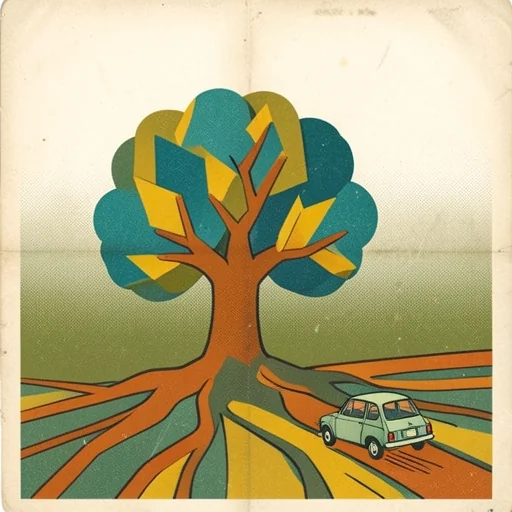
A shared impulse is changing how brands, urban operators and educational services think about value. No longer just selling a product or organizing an event, but bringing forth daily practices that connect people and the environment. The article brings together cleanup campaigns, cultural initiatives, electric mobility and community programs. It shows how sustainability and community become operational levers to grow, retain and measure impact. Here we explain what works, where tensions lie and which pragmatic choices can inspire those building services or startups.
When sustainability and community become product
Campaigns that link product and social value shift attention from ownership to collective action. The value chain can include the discovery of neglected spaces, as a campaign that brought creators in France and Germany together for the “Find the Unseen” concept did, showing how a cleaning product becomes a tool for social reactivation. A product can be the excuse to build a shared practice.
Schools and neighborhood services turn educational activities into concrete actions. A network of 47 preschools organized food collections, beach cleanups and intergenerational visits involving families and social partners. That model shows that integrating sustainability and care into the educational routine produces measurable results. Outcomes included over 30 kg of food collected, more than 20 kg of textiles and contact with older adults and social workers.
A product can be the excuse to build a shared practice.
Discovering the invisible as a behavioral lever
Changing habits starts with attention: asking people to notice what they ignore daily generates awareness and action. In several European markets, creators highlighted neglected domestic corners and then used a wet-and-dry vacuum to demonstrate results and process, incentivizing sharing on social media with a promo code and a cashback mechanism. Noticing the invisible turns awareness into immediate behavior.
This tactic links back to educational initiatives that use doing to teach. Recycling workshops in a preschool center turned waste into useful objects, while activities with older adults combined empathy and learning. The combination of practical demonstration and social reward creates a replicable trajectory for those developing products aiming for behavioral scale.
Models of scale: events, fleets and local networks
How an idea scales varies: cultural promotion uses widespread events, electric fleets use physical assets and educational networks rely on local presence. One city launched a cultural season with 279 events and a series of festivals, introducing routes and offers from 160 businesses that proposed 173 promotions to attract visitors. Widespread events increase public attention and local spending.
In parallel, an electric mobility operator introduced 500 Limo Green vehicles in a city as a pilot launch. The operator offered incentives to drivers, with guaranteed earnings up to IDR 400,000 per day for the first two months. The operator also guaranteed a revenue share up to 92%. The fleet brings a different value: emission reductions and comfort for groups. The fleet also offers a rental program that lowers the entry barrier for drivers. Those designing growth must evaluate event territorial coverage, asset management and direct engagement with local communities together.
Widespread events increase public attention and local spending.
Critical points and decision areas for strategy builders
Projects that combine product, event and social impact encounter concrete constraints. Promoting a product with discounts or cashback can spark adoption. But it risks shifting focus from behavior to coupons; the promo code and a 6% discount on a product line can improve engagement testing. But they do not guarantee lasting adherence without educational follow-up. At the same time, the operational side of an electric fleet requires infrastructure. Offering free charging to drivers lowers operating costs, but implies physical investments and local partnerships for charging points.
Cities and educational networks show that broad participation requires organizational trust and simple metrics. The preschools that orchestrated collections and 100 care packs in a neighborhood measured direct social impact and children’s learning. Involving families and local partners produces concrete and measurable results. For investors and founders the lesson is practical. Combining a product with a participation platform and calibrated incentives reduces risk and increases the probability of true scale.
The open question remains how to turn spikes of attention into routine. Metrics that count repeated participation, clear infrastructure costs and incentives that reward long-term behavior are needed. Those building services will have to choose between investing in physical assets, local trust networks or digital tools that facilitate daily participation.
Sources:
- Eureka Marks World Cleanup Day 2026 in France with “Find the… | europeanbusinessmagazine.com
- Eureka Marks World Cleanup Day 2026 in Germany with “Find the… | europeanbusinessmagazine.com
- Wuhan Opens Autumn Consumption Season with 279 Cultural and Tourism… | europeanbusinessmagazine.com
- Green SM Indonesia launches premium 6-seat electric taxi service… | europeanbusinessmagazine.com
- Little Footprints Preschool Involves All 47 Centres Nationwide for… | europeanbusinessmagazine.com
Related articles
-
Kylian Mbappé joins On and the rise of verified carbon accounting
At the same time the market for carbon accounting software is exploding because regulators demand verifiable numbers.
-
Energy automation: smart homes, silicon anodes and installers
Energy automation is the thread that connects thermostats that learn routines, denser battery materials and new business models.
-
Energy transition: small modular reactors vs local biogas solutions
La energy transition is often framed as a crossroads between large long-term infrastructure and distributed solutions that deliver value today.
-

Technological innovation in startups: Naked Energy and Relu insights
Naked Energy and Relu exemplify how technological innovation, supported by targeted investment, can produce measurable outcomes.