
Magazine Artificial Intelligence
AI for the Energy Industry: Delfos and the Virtual Engineer
Delfos uses AI for energy industry: ML engine, 1,000+ sites supported, and a roadmap toward agents that automate workflows.
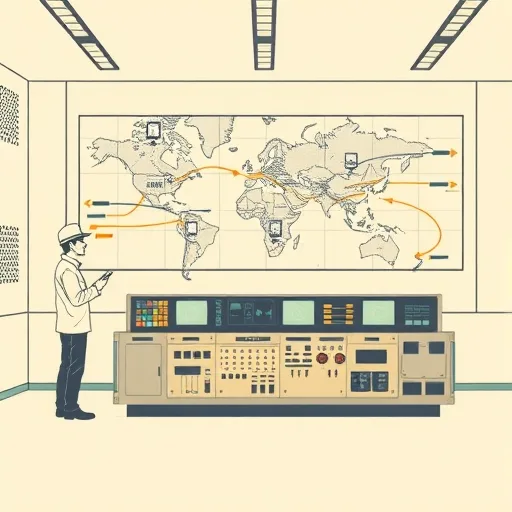
AI for the energy industry takes action with Delfos Energy: the startup has raised €3 million and now supports over 1,000 energy sites across Europe. The official announcement described the round as a Seed extension that includes new investors (including Vox Capital/COPEL) and the participation of existing capital holders such as Headline, Contrarian Ventures, DOMO VC, and EDP Ventures.
Why this news matters for founders and operators
The investment signals demand for practical solutions to boost the efficiency and reliability of existing energy infrastructure through AI. Delfos, founded in 2017 in Barcelona by Guilherme Studart and Samuel Lima, has built a suite that aims not only to monitor but to interpret and prescribe operational actions.
What technology Delfos uses for AI in the energy industry
The platform is built on a proprietary machine learning engine that analyzes operational data in real time, plus a second AI layer that automates engineering workflows. The first layer performs continuous performance and reliability analyses, identifying anomalous patterns, early-stage faults, and efficiency losses; the second translates these findings into concrete operations such as reports, maintenance planning, and prioritized recommendations.
The operational difference compared to traditional tools is that Delfos goes beyond alarms or dashboards: it proposes the probable cause and the recommended next step for execution.
How the virtual engineer works in practice
The system replicates the work of a performance engineer: it detects signals, interprets them in the context of multi-asset, multi-site environments, and provides intervention priorities to reduce management times and costs. In practice, this means moving from a reactive to a proactive approach: fewer false positives, better-planned interventions, and more efficient use of technical resources.
Interfaces and adoption
To reduce adoption barriers, Delfos offers natural-language interfaces (for example via WhatsApp) that allow teams to query operational data with simple phrases. This approach lowers the need for specialized training and encourages everyday use even by non-data-science-native operations teams.
The practical goal is that a field operator can obtain a contextualized diagnosis and the operational recommendation without consulting complex reports.
Commercial and geographic impact
Delfos states it supports over 1,000 sites across more than 10 countries and expects Europe to account for 35-40% of global revenues this year. The company aims to solidify its position in Europe with these resources and to evaluate expansion into the United States once it reaches operational maturity at scale on the continent.
Funding and roadmap
The €3 million Seed extension was raised to meet investor demand and support European expansion, with the goal of preparing a Series A within 12–18 months. Delfos has raised a total of €10 million to date, including the €6.3 million announced in 2024.
Future technical direction
In the mid-term, the company expects the workflow layer to evolve into agents capable of performing specific engineering tasks, increasing the ability to manage portfolios of complex assets with lean teams. This development is designed to address the growing complexity introduced by new technologies, such as energy storage, which complement traditional infrastructure.
Practical elements for founders and operators
Those working in startups or technical teams should assess how to integrate solutions that do more than monitor: they translate signals into actionable and prioritized decisions. In particular, consider combining ML models with domain logic and proprietary guardrails to ensure operational safety and relevance of recommendations.
Integration and partnerships
Delfos states that it combines open-source LLMs with proprietary guardrails, domain logic, and operational data to create a system tailored to energy operations rather than a generic AI interface adapted to the sector. This approach emphasizes the importance of shaping AI around real processes and field operation constraints.
Critical assessment: strengths and limits
The main strength is the platform’s operational orientation: not just insights but execution; the limit is the complexity of integrating with existing IT and OT ecosystems at client sites. The model’s effectiveness will depend on data quality, governance of integration, and the ability to scale recommendations across heterogeneous sites.
Pros: increases efficiency and transfers technical knowledge lost with turnover of experienced staff. Cons: utilities must invest in data integration and process alignment to gain value from AI.
Considerations for investors and stakeholders
For investors, this round signals tangible commercial traction and a roadmap toward automating complex engineering processes—key elements for assessing risk and scalability. Delfos’s plan to use the capital to consolidate positions in key markets and then scale to the USA aligns with a typical EnergyTech strategy focused on execution.
Recommended practical actions
If you are a founder in the energy sector or an operations leader, assess how your processes could benefit from a workflow AI layer that prioritizes interventions and reduces false positives. Consider pilot projects on subsets of assets with clear performance metrics before a large-scale rollout.
Latest operational insights
Rapid adoption requires clean data maps, shared KPIs, and workflows that allow AI recommendations to be translated into actionable work orders. Operator training and natural interface integration can shorten operational uptake times.
Toward agents able to perform tasks
The next stated step from Delfos is to transform the workflow layer into agents capable of performing specific engineering tasks, accelerating the management of larger portfolios with lean teams. This paradigm shift could reduce operating costs and increase asset resilience by integrating automated decisions with human supervision.
Practical references
To delve deeper, it’s useful to follow developments in LLM + domain guardrails integrations and case studies on predictive maintenance and digital twins in the energy sector. Tracking metrics like reduced mean time to repair (MTTR) and increased operational availability helps measure the ROI of these technologies.
A tip for evaluating partnerships
When evaluating a partnership with AI solutions for energy, request scale-ready proof, model transparency, and plans for managing false positives and edge cases in operations. The integration between operations and data teams is often the tipping point for project success.
For those who want to learn more
Follow Delfos’s evolution over the next 12–18 months: capital raising and progress toward operational agents are key signals for assessing technological and commercial maturity. Entry into new markets, multi-site deployments, and demonstrated economic impact will be the main indicators to watch.
Contact and further information
For operational insights, consider reaching out to the technical teams of solution providers or launching a pilot project with predefined performance metrics. A limited proof of concept on a few assets provides concrete evidence and helps define an integration roadmap.
Related articles
-

Artificial intelligence for cities, infrastructure and investor strategies
Artificial intelligence acts as a lever to transform resources, trust and services. Large technological transitions rarely happen in a single sector.
-

Artificial intelligence: revenue, payments and quantum security
If artificial intelligence slows in the race for hardware, value will shift to those who solve real problems of trust, payment and security.
-

Artificial intelligence, ownership and governance for founders
Il pezzo parla esplicitamente di artificial intelligence. Il mercato sta imparando una lezione familiare ai founder: valore e controllo non coincidono sempre.
-
AI infrastructure: 5 European startups turning automation into value
The first lesson is about operational constraints that turn into value. Zeit AI has raised €4.3 million and offers an agent that connects ERP…