
Magazine Technology & Innovation
Khaby Lame and the AI-Powered Digital Clone: Opportunities and Risks
Critical analysis of the AI-based digital clone in Khaby Lame's case, weighing hype against reality. Opportunities for startups.
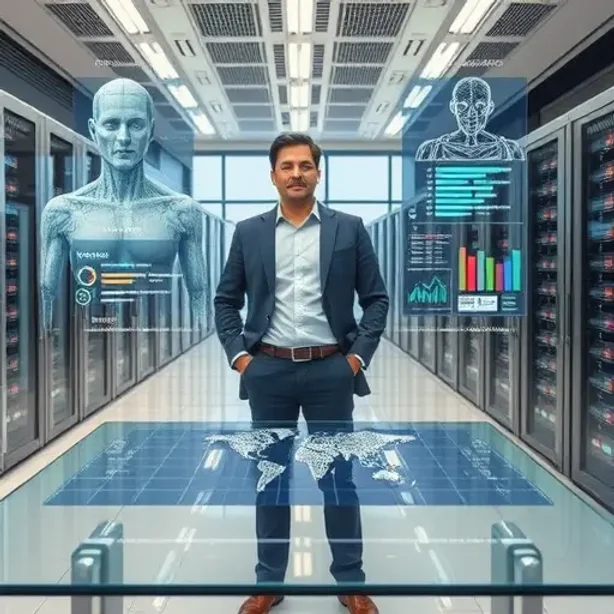
In the ecosystem of creative technologies, Khaby Lame is at the center of a discussion about AI-powered digital clones. This operation raises concrete questions about intellectual property, rights, and financial risks for those building an AI avatar.
A digital clone requires clear governance: who controls the data and who is responsible in case of abuses or unfulfilled promises.
The narrative of a nearly one-billion-dollar sale has been followed by analyses showing that reality is less neat and more complex, especially for business models based on generative avatars. The gap between hype and practical implementation creates risks for investors and companies?
For startups and technology consulting firms, understanding where the promise ends and the solution begins is crucial to avoid investments in non-scalable avatars.
From the startup perspective, adopting AI avatars requires attention to privacy, training data, and transparency about the outputs generated. A robust governance framework and clear references to AI model providers are key to reducing risk.
Practical implications for startups and investors
Companies should define policies on image rights, intellectual property, accountability, and responsibility. Establishing licensing agreements and control over algorithms from the outset improves user trust.
An ethical approach to using AI avatars requires transparency about training data and the limits of generated outputs.
Conclusions for the innovative audience
The Khaby Lame case highlights how innovation can open opportunities but also legal, ethical, and operational complexities. Startups interested in digital clones must move forward with governance, data control, and clear metrics from the start.
Related articles
-
From Sasovo to Milan, data centers are targets and battlegrounds
In 2026 data centers became military targets, from Amazon in the Gulf to Yandex in Russia, while Italy speeds up their permits by decree.
-

How De Beers and TVB Turn Documented Customer Trust Into Value
De Beers scans 5 million diamonds and invests 70 million dollars in Botswana, while TVB wins 28 awards: customer trust gets documented.
-

Asia Builds Its Digital Future From Okinawa to Hong Kong
Asia rebuilds its digital foundations: Wi-Fi 7 in 24 schools in Okinawa, formative AI at NUS, Hong Kong the world's freest economy again.
-

Risultati principali del sondaggio
Risultati principali: The question of whether founders and family can coexist becomes concrete after a new international survey.